Introduction
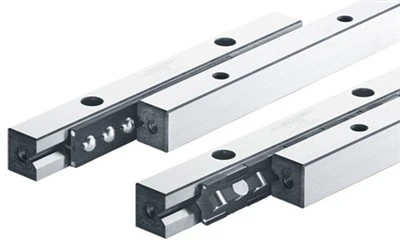
High-humidity environments create additional requirements for linear motion systems, where material selection directly affects corrosion resistance, motion stability, and maintenance needs. Choosing between a stainless steel linear guide and a carbon steel linear guide requires evaluating both environmental conditions and equipment performance requirements.


Why Material Selection Matters for Linear Guides in High-Humidity Environments
Humidity, washdown processes, salt spray, and chemical exposure can influence the long-term performance of linear motion systems. In applications such as food packaging, medical equipment, marine systems, and industrial automation, selecting a suitable linear guide material is essential for maintaining smooth movement, corrosion resistance, positioning accuracy, and long-term equipment reliability.

Stainless Steel vs. Carbon Steel Linear Guides: Key Differences
Both stainless steel linear guides and carbon steel linear guides have their own application advantages.
The right choice depends on the operating environment, load requirements, precision
expectations, and maintenance considerations.
|
Comparison Factor |
Stainless Steel Linear Guide |
Carbon Steel Linear Guide |
|
Corrosion Resistance |
Excellent for Humid & Corrosive Environments |
Requiring Surface Protection Based on Application |
|
Material Property |
Stainless Steel Structure |
High-strength Carbon Steel Structure |
|
Typical Applications |
Food, Medical, Marine, Clean Environments |
CNC, Automation, Heavy Machinery |
|
Maintenance Requirement |
Lower Maintenance Demand in Corrosive Conditions |
Requiring Suitable Protection & Maintenance Planning |
|
Cost Position |
Higher Initial Investment |
More Economical Eption for General Industrial Applications |
A stainless steel linear guide is typically selected when environmental protection is a priority, while a carbon steel linear guide remains a practical solution for applications requiring high mechanical strength and cost efficiency.
Why Stainless Steel Linear Guides Perform Better in Humid Environments
Stainless steel linear guides are designed for applications where moisture resistance, cleanliness, and
long-term stability are important. Their material characteristics make them suitable for
environments where traditional steel solutions require additional protection.
Corrosion Resistance for Long-Term Protection
Stainless steel linear guides are tested through an 80-hour salt spray test without rust formation, demonstrating their ability to maintain corrosion resistance in humid and salt-exposed environments. This performance makes them suitable for applications involving frequent cleaning, high humidity, or outdoor exposure.
High Rigidity for Demanding Applications
Corrosion resistance does not mean sacrificing mechanical performance. High-strength stainless steel materials with a yield strength of ≥520MPa help the guide system maintain structural stability under continuous loads.
Stable Precision During Operation
Environmental conditions can influence motion accuracy over time. Stainless steel linear guide solutions support positioning accuracy between 0.003–0.03mm, helping automated equipment maintain consistent movement performance even in demanding operating environments.
When Carbon Steel Linear Guides Are Still the Right Choice
Carbon steel linear guides remain widely used in industrial applications where high load capacity, structural strength, and cost efficiency are primary considerations. They are commonly selected for CNC machines, industrial automation systems, and heavy-duty equipment that require reliable mechanical performance. Different configurations, including heavy duty linear guides, low profile linear guides, miniature linear guides, and roller linear guides, allow engineers to match the guide structure with load capacity, installation space, and motion requirements.
For applications that require both high mechanical strength and improved corrosion protection, carbon steel linear guides with Black Chromium Plating Linear Bearing provide an alternative solution. This surface treatment enhances protection against moisture exposure while retaining the load-bearing advantages of carbon steel, making it suitable for projects where both durability and environmental adaptability are important.

Which Industries Benefit from Stainless Steel Linear Guides
Different industries face different environmental challenges, and stainless steel linear guides are often selected
when equipment must combine reliable motion performance with strong corrosion resistance.
|
Industry |
Environmental Challenge |
|
Food Packaging Automation |
Washdown Processes & Hygiene Requirements |
|
Medical Surgical Robots |
Cleaning Procedures & Precision Requirements |
|
Offshore Wind Equipment |
Salt Spray & High Humidity Exposure |
|
Semiconductor Equipment |
Clean Environment & Stable Accuracy |


In these applications, material selection helps equipment manufacturers achieve a better balance between operational reliability and long-term maintenance efficiency.
How Stainless Steel Linear Guides Improve Total Cost of Ownership
The initial purchase price is only one factor when selecting a linear guide system. In high-humidity environments, maintenance requirements, replacement frequency, and equipment downtime also influence the total cost of ownership. Although stainless steel linear guides may require a higher initial investment, their corrosion resistance can help reduce maintenance needs and support longer service intervals during long-term operation.
How to Choose Between Stainless Steel and Carbon Steel Linear Guides
Selecting the right guide depends on the relationship between environmental conditions and mechanical requirements.
|
Project Requirement |
Recommended Solution |
|
High Humidity Environment |
Stainless Steel Linear Guide |
|
Frequent Washdown Process |
Stainless Steel Linear Guide |
|
Salt Spray Exposure |
Stainless Steel Linear Guide |
|
Heavy Load Machining |
Carbon Steel Heavy Duty Linear Guide |
|
Cost-Sensitive Automation |
Carbon Steel Linear Guide |
|
High Load + Humidity |
Stainless Steel / Black Chromium Plating Linear Bearing Guide Rail |
Engineers should evaluate humidity level, load capacity, precision requirements, and maintenance expectations before confirming the final configuration.
Why Choose JSM for Humidity-Resistant Linear Guide Solutions
Choosing the right supplier helps ensure the linear guide matches both application requirements and long-term operating conditions. JSM provides stainless steel linear guides and carbon steel linear guides with different structural options, material choices, and customization capabilities.
- Material & Application Expertise: JSM supports customers in selecting suitable materials according to humidity exposure, corrosion requirements, load conditions, and operating environments.
- Customization Capability: JSM provides application-based customization support for various industrial motion systems, including customized rail lengths, mounting dimensions, surface treatments, or specific configurations.
- Manufacturing & Supply Stability: With advanced manufacturing capabilities, rigorous quality control processes, and stable production capacity, JSM supports global customers who require reliable linear motion solutions for automation, machinery, and specialized equipment.


Conclusion
Selecting between stainless steel and carbon steel linear guides requires a balance between corrosion resistance, load capacity, precision, and long-term operating value. By understanding environmental requirements and equipment conditions, engineers can choose a linear guide solution that delivers reliable performance in high-humidity applications. Contact us to get a customized stainless steel or carbon steel linear guide solution for your high-humidity application.