


Introduction
Linear guide rails, as core components of precision transmission, are the "joints" of high-end manufacturing applications such as CNC machine tools, semiconductor equipment, and industrial robots. Their accuracy and stability directly determine the performance ceiling of end-use equipment. In the US market, linear guide rail pricing is significantly higher than in most other regions globally. This phenomenon is not driven by a single factor, but rather the combined effects of multiple forces, including cost structure, technological landscape, supply chain system, and market demand. The following article will provide an in-depth analysis of these core factors.
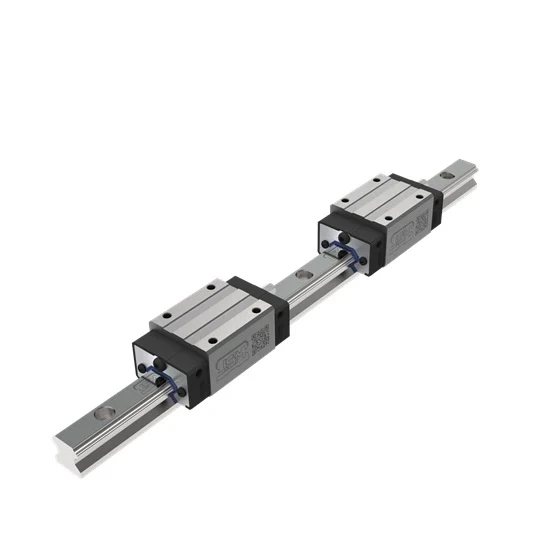
Manufacturing Costs: The High Investment Behind High Precision
Linear guide rails are high-precision mechanical components that require extremely high machining accuracy and material properties. From raw material procurement to manufacturing and quality inspection, every step carries a significant cost premium.
• High Raw Material Costs: High-quality linear guides are commonly made of high-performance materials such as chromium-molybdenum alloy steel and high-purity 304/316 stainless steel. The procurement cost of these materials is significantly higher than that of ordinary steel.
• High Investment in Processing and Testing Equipment: High-end linear guides typically require micron-level machining accuracy. The production process involves complex steps such as pre-treatment, heat treatment, and machining, requiring high-precision grinding machines and other processing equipment. Furthermore, to ensure accuracy and quality, the purchase and maintenance costs of testing equipment,, such as coordinate measuring machines must also be considered.
• Compounding Costs of Full-Process Quality Inspection: The US market has particularly stringent product quality control standards. From raw material composition testing to pre-shipment precision calibration, the labor and equipment investment in the full-process quality inspection process is significantly higher than in other markets, further exacerbating cost pressures.

Brand and Market Structure: Oligopoly Drives Up Pricing
In addition to cost issues, market structure is also a major factor contributing to the high prices of linear guides. A few companies have long monopolized the global high-end guide market. The US, with insufficient domestic production capacity and high reliance on imports, naturally holds back prices.
• Global Oligopoly Dominates the Market: According to research on the global precision transmission industry, leading companies such as Japan's THK and NSK, and Germany's Bosch Rexroth, collectively hold a majority of the global high-end linear guide market. These brands, leveraging decades of technological expertise and patent barriers, have firmly established a firm grasp on core technology and pricing power for high-end guides.
• Brand Premium Includes Added Service Value: American customers generally prioritize after-sales service, warranty, and technical support. Brand manufacturers often have local offices, offer quick replacements, and provide technical assistance, and these service costs are factored into product prices.
• Import Dependence and Customization Price Additions: Because core technology and brand influence are controlled by overseas manufacturers, the majority of high-end guides are imported, leaving distributors and end customers with limited bargaining power. Especially for industries such as aerospace, semiconductors, and medical equipment, which often require customized guide rails of special sizes, materials, or structures, their prices are significantly higher than standard products.

Supply Chain and Policy: Layers of External Costs
Import transportation, warehousing, and distribution, tariff policies, and industry certification all create layers of external costs, further driving up the final price.
• Costs in the Import Supply Chain: Linear guides are typically heavy, precision components, large in size and weight, resulting in high transportation costs. Heavy guides, in particular, require specialized storage facilities to protect against moisture and deformation, which also increases storage costs. Imported linear guides must pass through multiple stages of transportation-from the overseas manufacturer to the US general agent, regional distributor, and ultimately to the end user-with each stage incurring warehousing and logistics costs, resulting in a significant premium on the ex-factory price. In contrast, companies sourcing directly from Asian manufacturers or establishing OEM partnerships can save over 30%.
• High Standards and Certification Costs: The US market has safety and performance standards for industrial components that are far higher than the international average. Meeting these high standards further increases the manufacturing cost of linear guides. Furthermore, certification costs for various industry applications are also very high. For example, linear guides used in medical devices must comply with FDA standards for materials that come into indirect contact with the medical device, and each certification requires specialized testing and process control costs.

Demand Structure: High-end Productivity Drives Price Increases
From a demand perspective, the US market's demand for high-end guide rails continues to support high prices.
• Concentrated High-Precision Applications: As a core global high-end manufacturing market, the US boasts a high share of linear guide rail demand in the semiconductor, aerospace, and medical device sectors. These sectors place extreme demands on guide rail accuracy, load capacity, and environmental adaptability, leading companies to pay a 20%-30% premium for guaranteed performance.
• Smart Manufacturing Drives Product Upgrades: The US manufacturing industry is accelerating its transformation toward intelligent systems. Demand for intelligent guide rails integrated with sensors, remote monitoring, and status diagnostic systems is growing. This surge in demand for these high-end guide rails is further driving up the overall market average price.

Procurement Recommendations: Rationally Balance Cost and Reliability
In the US market, where linear guide prices are generally high, companies seeking to achieve the optimal balance between cost and performance must approach procurement with a systematic approach, not just focusing on unit price.
Clear Performance Requirements
Before selecting a model, it's important to clearly categorize the operating conditions for the guide rail. Light-load applications can choose economical linear guides; medium-load applications require attention to the guide rail's dynamic rigidity and wear life; and precision applications should prioritize positioning accuracy and stability to avoid over-configuration and costly over-specification.
01
Comparing Total Costs
When purchasing linear guides, consider more than just the unit price; instead, comprehensively evaluate the "full lifecycle cost." In addition to the initial purchase price, consider long-term costs such as shipping, customs duties, spare parts replacement, lubrication, and maintenance.
02
Tiered Usage Strategy
In overall machine design, a tiered procurement strategy of "high-end and low-end" can be adopted. Imported or high-end brand guide rails should be used in critical locations to ensure operational accuracy and durability. For secondary locations, such as auxiliary locations and assembly aid slides, cost-effective products can be used to optimize resource allocation.
03
Optimizing the Procurement Chain
Multi-tiered distribution structures often lead to repeated markups at the end-user price of guide rails. Companies should prioritize establishing direct partnerships with manufacturers or first-tier distributors to reduce intermediaries, thereby lowering procurement prices and ensuring manageable delivery schedules. Furthermore, direct procurement facilitates communication of technical details, allows for quick response to after-sales issues.
04
Verifying Quality Documents
When signing a purchase contract, suppliers should be required to provide material heat treatment reports, hardness test data, dimensional inspection records, and batch traceability numbers. High-precision guide rails also require factory inspection reports to ensure quality traceability and long-term stable operation of the equipment.
05
Conclusion
The high price of American linear guides is essentially the result of four core factors: high precision and high costs on the manufacturing side, global oligopoly and import dependence, external price increases imposed by supply chain policies, and high-end demand. For American manufacturers, controlling costs while ensuring equipment reliability is a key purchasing priority.
As a manufacturer deeply engaged in the precision transmission field, JSM not only holds ISO 9001:2015 quality management system certification but also possesses efficient R&D and production systems to meet customized needs. If you require further information on JSM product specifications or require customized solutions, please feel free to contact us.


