As a supplier of Servo Motor Mounting Brackets, I often encounter various technical inquiries from customers. One question that has come up more frequently lately is about the electrical conductivity of these brackets. In this blog, I'll delve into the topic, exploring what electrical conductivity means for servo motor mounting brackets, the factors that influence it, and why it matters in practical applications.
Understanding Electrical Conductivity
First, let's clarify what electrical conductivity is. Electrical conductivity is a measure of a material's ability to conduct an electric current. It is the reciprocal of electrical resistivity and is typically measured in siemens per meter (S/m). Materials with high electrical conductivity, such as metals like copper and aluminum, allow electrons to move freely through them, while materials with low conductivity, like plastics and ceramics, impede the flow of electrons.
Materials Used in Servo Motor Mounting Brackets
Servo motor mounting brackets are commonly made from a variety of materials, each with its own electrical conductivity properties.

Metals
- Aluminum: Aluminum is a popular choice for servo motor mounting brackets due to its lightweight, high strength - to - weight ratio, and good corrosion resistance. It also has relatively high electrical conductivity, with a conductivity of approximately 3.5×10⁷ S/m at room temperature. This makes it suitable for applications where electrical grounding or the dissipation of static electricity is required.
- Steel: Steel is another commonly used material. Different types of steel have different electrical conductivities. For example, carbon steel has a conductivity in the range of about 6×10⁶ S/m. While not as conductive as aluminum, steel is often chosen for its high strength and durability, especially in heavy - duty applications.
Non - Metals
- Plastics: Many servo motor mounting brackets are also made from plastics. Plastics generally have very low electrical conductivity, often on the order of 10⁻¹⁰ S/m or less. They are used when electrical insulation is needed, or when weight reduction and cost - effectiveness are key considerations.
- Ceramics: Some specialized brackets may use ceramics. Ceramics are typically insulators, with extremely low electrical conductivity, making them ideal for applications where electrical isolation is crucial.
Factors Affecting Electrical Conductivity
Several factors can influence the electrical conductivity of servo motor mounting brackets.
Temperature
The electrical conductivity of most metals decreases with increasing temperature. As the temperature rises, the atoms in the metal vibrate more vigorously, which scatters the electrons and makes it more difficult for them to flow. For example, the conductivity of aluminum will gradually decrease as the operating temperature of the servo motor and its mounting bracket increases.
Alloying
When metals are alloyed, the addition of other elements can significantly affect their electrical conductivity. For instance, adding small amounts of copper to aluminum can improve its strength but may also reduce its electrical conductivity to some extent.
Surface Condition
The surface condition of the mounting bracket can also impact its electrical conductivity. Oxidation, dirt, or other contaminants on the surface can create a barrier to the flow of electrons, reducing the effective conductivity. Regular cleaning and proper surface treatment can help maintain good electrical contact.
Importance of Electrical Conductivity in Servo Motor Mounting Brackets
Electrical Grounding
In many servo motor systems, proper electrical grounding is essential for safety and reliable operation. A mounting bracket with good electrical conductivity can serve as a path for electrical current to flow to the ground, preventing the buildup of static electricity and protecting the motor and other components from electrical surges. For example, in industrial automation settings, where servo motors are used in conjunction with other electrical equipment, a well - grounded mounting bracket can reduce the risk of electrical interference and damage.
Static Dissipation
Static electricity can accumulate on the surface of the servo motor and its components during operation. A conductive mounting bracket can help dissipate this static charge, preventing it from causing damage to sensitive electronic parts within the motor or other nearby devices. This is particularly important in environments where static electricity can be easily generated, such as in dry or dusty conditions.
Electromagnetic Interference (EMI) Shielding
In some applications, electromagnetic interference can disrupt the normal operation of servo motors. A conductive mounting bracket can act as a shield, reducing the impact of external electromagnetic fields on the motor. By providing a low - resistance path for the induced currents, the bracket helps to contain the electromagnetic energy and prevent it from interfering with the motor's electrical signals.
Our Product Offerings
As a supplier of Servo Motor Mounting Brackets, we offer a wide range of brackets made from different materials to meet various customer needs.
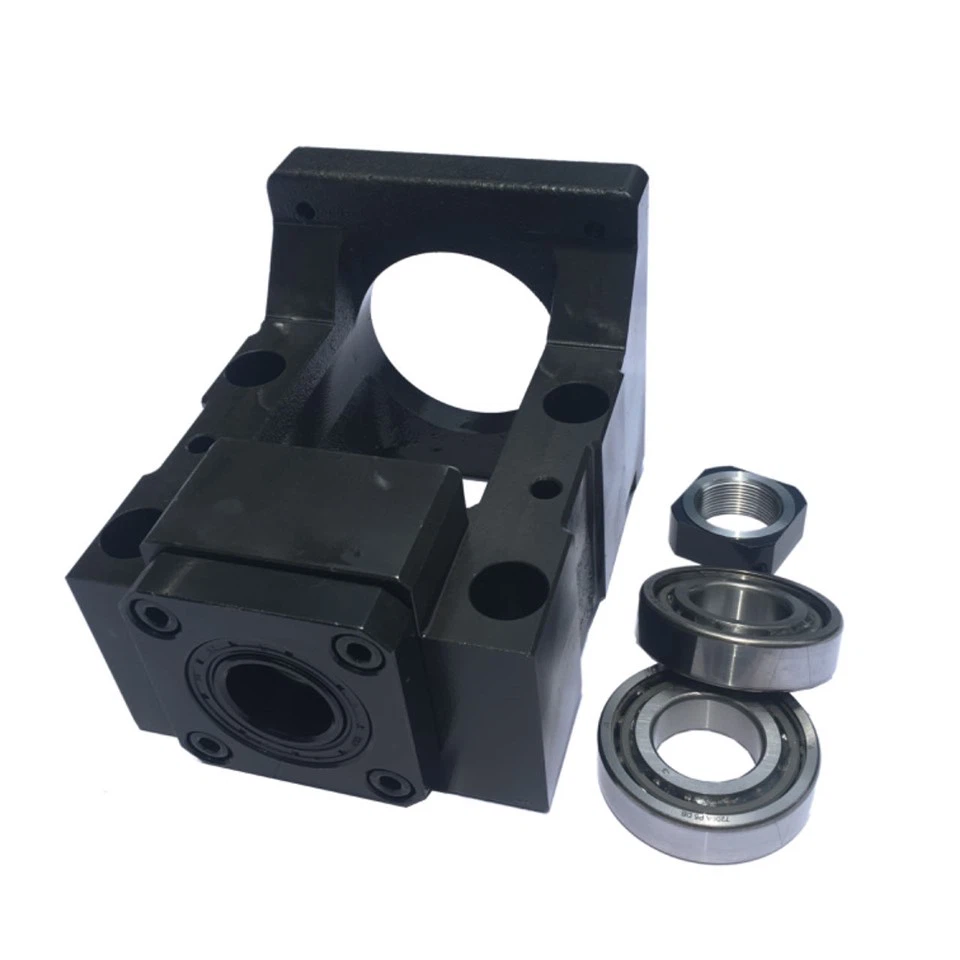
- Aluminum Brackets: Our aluminum Servo Motor Brackets are designed for applications where high electrical conductivity, lightweight, and corrosion resistance are required. They are precision - machined to ensure a perfect fit with different types of servo motors.
- Steel Brackets: For heavy - duty applications, our steel brackets provide excellent strength and durability. Although their electrical conductivity is lower than that of aluminum, they are still suitable for most general - purpose grounding requirements.
- Plastic and Ceramic Brackets: We also offer Servo Motor Seats made from plastics and ceramics for applications where electrical insulation is needed. These brackets are carefully engineered to provide reliable mechanical support while isolating the motor electrically.
Conclusion
The electrical conductivity of servo motor mounting brackets is an important consideration in many applications. Whether it's for electrical grounding, static dissipation, or EMI shielding, the choice of material and the resulting conductivity can have a significant impact on the performance and reliability of the servo motor system. As a supplier, we understand the diverse needs of our customers and strive to provide high - quality mounting brackets that meet the specific requirements of each application.
If you are interested in our servo motor mounting brackets or have any questions about electrical conductivity and its implications for your application, please feel free to contact us for more information and to discuss your procurement needs. We look forward to working with you to find the best solutions for your servo motor systems.
References
- Ashby, M. F. (2005). Materials Selection in Mechanical Design. Butterworth - Heinemann.
- Callister, W. D., & Rethwisch, D. G. (2010). Materials Science and Engineering: An Introduction. Wiley.