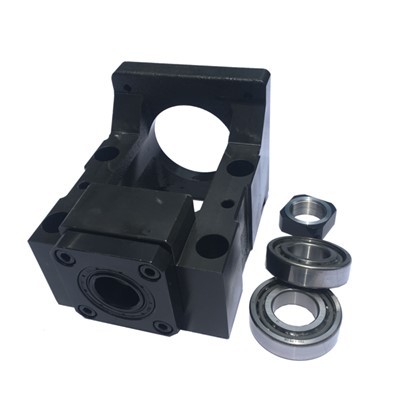
As a supplier of Ball Screw Fixed Side components, I've encountered numerous inquiries regarding the issue of vibration in ball screw systems. Vibration not only affects the precision and efficiency of machinery but can also lead to premature wear and tear, ultimately reducing the lifespan of the equipment. In this blog post, I'll share some effective strategies to reduce the vibration of a ball screw fixed side, based on my years of experience in the industry.
Understanding the Causes of Vibration
Before we delve into the solutions, it's essential to understand the root causes of vibration in ball screw systems. Several factors can contribute to this problem, including:
- Misalignment: Incorrect alignment between the ball screw, bearings, and other components can cause uneven loading and vibration.
- Imbalance: An imbalance in the rotating parts of the system, such as the screw shaft or the coupling, can lead to vibration.
- Loose Components: Loose nuts, bolts, or other fasteners can cause the components to move and vibrate.
- Worn Bearings: Worn or damaged bearings can cause the ball screw to run unevenly, resulting in vibration.
- Inadequate Lubrication: Insufficient lubrication can increase friction and wear, leading to vibration.
Strategies to Reduce Vibration
1. Proper Installation and Alignment
One of the most critical steps in reducing vibration is ensuring proper installation and alignment of the ball screw fixed side components. This includes:
- Precision Mounting: Use precision mounting techniques to ensure that the ball screw, bearings, and other components are installed correctly. This may involve using alignment tools and following the manufacturer's installation instructions carefully.
- Alignment Checks: Regularly check the alignment of the ball screw system to ensure that it remains within the specified tolerances. This can help prevent misalignment from causing vibration.
- Coupling Selection: Choose the right coupling for your application to ensure smooth transmission of power and minimize vibration. Flexible couplings can help absorb shock and vibration, while rigid couplings are more suitable for applications where precise alignment is required.
2. Balancing the Rotating Parts
Balancing the rotating parts of the ball screw system is essential to reduce vibration. This can be done by:
- Dynamic Balancing: Use dynamic balancing techniques to ensure that the rotating parts, such as the screw shaft and the coupling, are balanced. This involves measuring the imbalance and adding or removing weight to the rotating parts to correct it.
- Regular Maintenance: Regularly inspect and maintain the rotating parts to ensure that they remain balanced. This may involve checking for wear and tear, replacing worn components, and rebalancing the system as needed.
3. Tightening Loose Components
Loose components can cause the ball screw system to vibrate. To prevent this, it's important to:
- Check Fasteners: Regularly check the nuts, bolts, and other fasteners to ensure that they are tightened to the specified torque. This can help prevent the components from moving and vibrating.
- Use Locking Devices: Consider using locking devices, such as lock washers or thread-locking compounds, to prevent the fasteners from loosening over time.
4. Replacing Worn Bearings
Worn or damaged bearings can cause the ball screw to run unevenly, resulting in vibration. To address this issue, it's important to:
- Inspect Bearings Regularly: Regularly inspect the bearings for wear and tear, such as pitting, scoring, or excessive play. If the bearings show signs of wear, they should be replaced immediately.
- Choose High-Quality Bearings: When replacing the bearings, choose high-quality bearings that are designed for your application. This can help ensure smooth operation and reduce vibration.
5. Adequate Lubrication
Insufficient lubrication can increase friction and wear, leading to vibration. To prevent this, it's important to:
- Use the Right Lubricant: Choose the right lubricant for your application based on the operating conditions, such as temperature, speed, and load. This can help ensure proper lubrication and reduce friction.
- Follow the Lubrication Schedule: Follow the manufacturer's lubrication schedule to ensure that the ball screw system is properly lubricated. This may involve applying lubricant at regular intervals or using a lubrication system to provide continuous lubrication.
Additional Considerations
1. Damping Devices
In some cases, using damping devices can help reduce vibration in the ball screw system. These devices can absorb and dissipate the energy generated by the vibration, reducing its amplitude. Some common types of damping devices include:
- Vibration Isolators: Vibration isolators are designed to isolate the ball screw system from the surrounding environment, reducing the transmission of vibration. They can be made of materials such as rubber, neoprene, or metal springs.
- Damping Pads: Damping pads can be placed between the ball screw and the mounting surface to absorb vibration. They are typically made of materials such as rubber or felt.
2. System Design Optimization
Optimizing the design of the ball screw system can also help reduce vibration. This may involve:
- Reducing the Length of the Screw Shaft: Shorter screw shafts are generally less prone to vibration than longer ones. If possible, consider using a shorter screw shaft to reduce vibration.
- Increasing the Stiffness of the System: Increasing the stiffness of the ball screw system can help reduce vibration. This can be done by using thicker walls, larger diameters, or stiffer materials for the components.
Conclusion
Reducing the vibration of a ball screw fixed side is essential for ensuring the precision, efficiency, and longevity of the machinery. By following the strategies outlined in this blog post, you can effectively reduce vibration and improve the performance of your ball screw system.


If you're interested in learning more about our Ball Screw Fixed Side products or have any questions about reducing vibration in your ball screw system, please don't hesitate to contact us. Our team of experts is always ready to assist you with your needs.
References
- "Ball Screw Handbook" by THK Co., Ltd.
- "Mechanical Design Handbook" by Robert C. Juvinall and Kurt M. Marshek.
- "Vibration Analysis for Machinery" by C. Randall Smith.