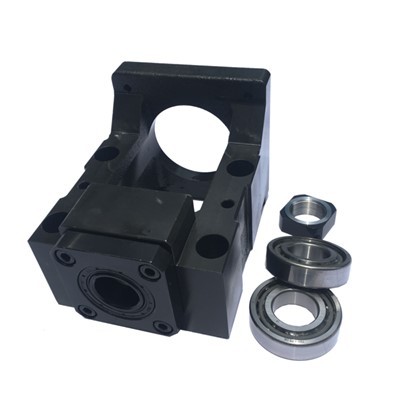
As a trusted supplier of Linear Pillow Block bearings, I understand the critical role that concentricity plays in the performance and longevity of these components. Concentricity refers to the degree to which the axis of a rotating part, such as a shaft, aligns with the axis of the bearing or housing. In the context of linear pillow block bearings, maintaining proper concentricity is essential for ensuring smooth operation, reducing wear and tear, and preventing premature failure.
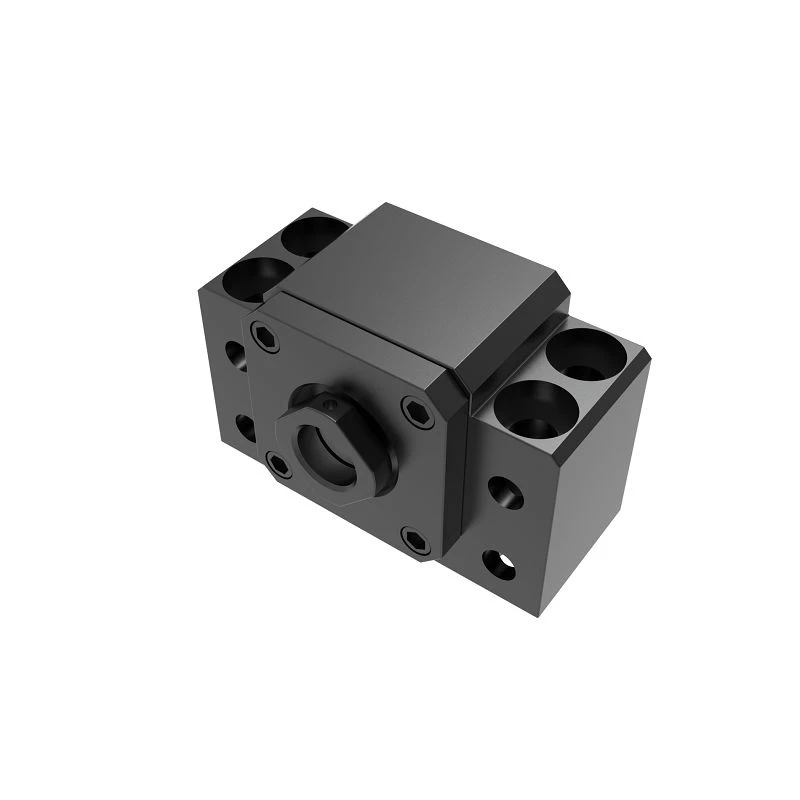
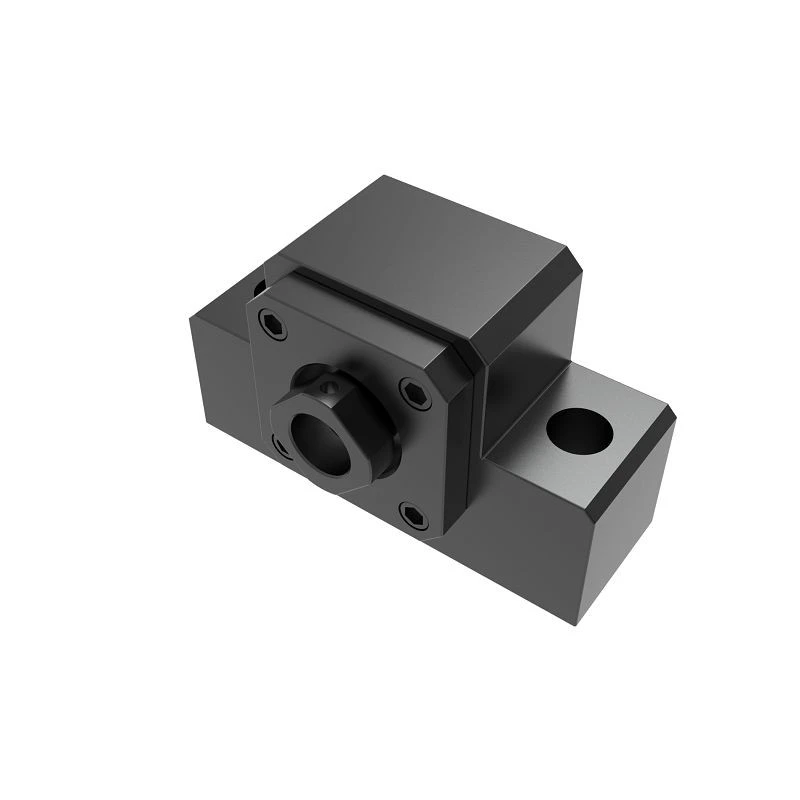
In this blog post, I will share some practical tips and techniques on how to check the concentricity of linear pillow block bearings. By following these guidelines, you can identify and address any concentricity issues early on, thereby minimizing downtime and maximizing the efficiency of your equipment.
Understanding the Importance of Concentricity
Before delving into the methods of checking concentricity, it's important to understand why it matters. In a linear motion system, the linear pillow block bearing supports the shaft and allows it to move smoothly along a linear path. If the shaft is not properly aligned with the bearing, it can cause a variety of problems, including:
- Increased friction: Misaligned shafts can rub against the inner race of the bearing, resulting in increased friction and heat generation. This can lead to premature wear of the bearing and reduce its lifespan.
- Vibration and noise: Concentricity issues can cause the shaft to vibrate as it rotates, which can generate noise and affect the overall performance of the system. Excessive vibration can also loosen fasteners and cause damage to other components.
- Reduced load capacity: When the shaft is not centered within the bearing, the load is not evenly distributed across the bearing surfaces. This can reduce the bearing's load capacity and increase the risk of failure under heavy loads.
Tools and Equipment Required
To check the concentricity of linear pillow block bearings, you will need the following tools and equipment:
- Dial indicator: A dial indicator is a precision measuring instrument that can be used to measure small displacements. It consists of a spindle that moves in response to the movement of the object being measured, and a dial that displays the measurement in thousandths of an inch or millimeters.
- Magnetic base: A magnetic base is used to mount the dial indicator securely to a stable surface. It allows you to position the indicator accurately and ensure that it remains in place during the measurement process.
- Straightedge: A straightedge is a long, flat bar that can be used to check the straightness of a surface. It is useful for aligning the bearing housing and ensuring that it is parallel to the shaft.
- Feeler gauges: Feeler gauges are thin, flat strips of metal that come in a variety of thicknesses. They can be used to measure the clearance between two surfaces, such as the shaft and the bearing inner race.
Step-by-Step Guide to Checking Concentricity
The following steps outline a general procedure for checking the concentricity of linear pillow block bearings:
Step 1: Prepare the Equipment
- Ensure that the linear motion system is turned off and that the power is disconnected.
- Clean the bearing housing and the shaft to remove any dirt, debris, or lubricant.
- Mount the dial indicator on the magnetic base and position it so that the spindle is perpendicular to the shaft.
- Set the dial indicator to zero by rotating the bezel until the needle points to the zero mark.
Step 2: Check the Shaft Alignment
- Place the straightedge on top of the bearing housing and align it with the shaft.
- Check the gap between the straightedge and the shaft at several points along its length. If the gap is uneven, it indicates that the shaft is not straight or that the bearing housing is misaligned.
- Use a feeler gauge to measure the clearance between the shaft and the bearing inner race. The clearance should be within the manufacturer's specifications. If the clearance is too large or too small, it may indicate a problem with the bearing or the shaft.
Step 3: Measure the Concentricity
- Rotate the shaft slowly by hand and observe the movement of the dial indicator needle. The needle should move smoothly and evenly as the shaft rotates.
- If the needle moves erratically or if it jumps, it indicates that the shaft is not centered within the bearing.
- Take multiple measurements at different points around the circumference of the shaft to ensure accuracy. Record the maximum and minimum readings and calculate the difference between them. This difference is the total indicator reading (TIR), which represents the amount of eccentricity or misalignment.
Step 4: Evaluate the Results
- Compare the TIR with the manufacturer's specifications for the linear pillow block bearing. If the TIR is within the acceptable range, the bearing is considered to be concentric.
- If the TIR exceeds the specifications, it indicates that the bearing is misaligned and needs to be adjusted or replaced.
- In some cases, it may be necessary to realign the bearing housing or the shaft to correct the concentricity issue. This may require the use of shims, alignment tools, or other specialized equipment.
Tips for Maintaining Concentricity
In addition to checking the concentricity of linear pillow block bearings regularly, there are several steps you can take to maintain proper alignment and prevent concentricity issues from occurring:
- Proper installation: Follow the manufacturer's instructions carefully when installing the linear pillow block bearings. Ensure that the bearing housing is properly aligned and that the shaft is inserted smoothly into the bearing.
- Regular maintenance: Keep the bearing housing and the shaft clean and lubricated to prevent dirt and debris from accumulating. Inspect the bearings regularly for signs of wear or damage and replace them as needed.
- Avoid overloading: Do not exceed the recommended load capacity of the linear pillow block bearings. Overloading can cause the bearings to deform and lose their concentricity.
- Use high-quality components: Invest in high-quality linear pillow block bearings and other components to ensure reliable performance and long service life.
Conclusion
Checking the concentricity of linear pillow block bearings is an important part of maintaining the performance and reliability of your linear motion system. By following the steps outlined in this blog post and using the right tools and equipment, you can identify and address any concentricity issues early on, thereby minimizing downtime and maximizing the efficiency of your equipment.
If you have any questions or need further assistance with checking the concentricity of linear pillow block bearings, please feel free to contact us. We are a leading supplier of Ball Screw Bearing Block, Ball Screw Fixed Side, and Ball Screw Linear Bearing Seat, and we are committed to providing our customers with the highest quality products and services.
References
- Bearing Installation and Maintenance Handbook, SKF
- Machinery's Handbook, Industrial Press Inc.
- Linear Motion Systems: Design and Application, Thomson Industries